

Skip to content
See which ZIP codes are open in your territory. Check yours
Buy Roofing Leads
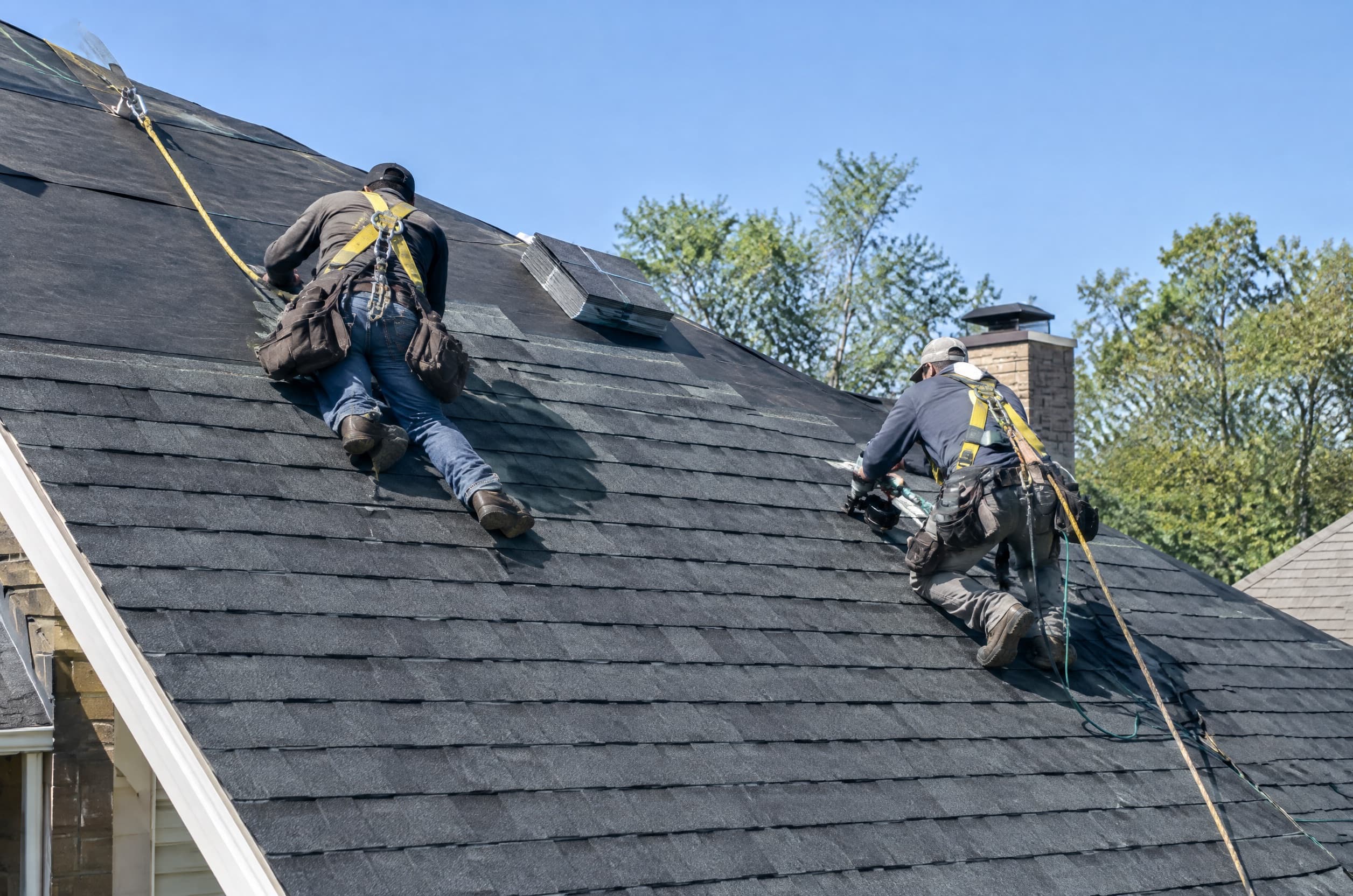
Roofing crew tearing off and re-shingling a suburban home

Homeowner leads for roofing contractors

Exclusive roof replacement leads from homeowners who asked about a new roof

These are homeowner customer leads for roofing companies (not lead flashing or sheet lead). Each one is a homeowner in your ZIPs who asked for a replacement quote, sent to one roofer, delivered to your CRM in real time with a consent record.

  • One roofer per lead
  • Your ZIPs and filters
  • 7 days credit window
  • No long-term contract

The problem

Most bad re-roof leads fail for one of five reasons.

Owners who buy replacement leads tend to hit the same walls. None of them are about the homeowner being rude on the phone. They are about who the lead was, where it was and who else got it.

  1. 01

    Young roofs

    A three-year-old roof, or one just replaced through insurance, is not a re-roof. You drove out to learn that.

  2. 02

    Renters and non-owners

    A tenant can ask about a leak. They can't sign a replacement contract.

  3. 03

    Repair-only asks

    A homeowner who wants two shingles put back is a service call, not a full tear-off. Different job, different price, different crew.

  4. 04

    Out of your area

    A lead an hour and a half past your last job eats a morning and rarely pencils out.

  5. 05

    Sold to five roofers

    When the same homeowner gets five calls in ten minutes, the job turns into a price war and whoever dials fastest wins.

What you get

Replacement-intent homeowners, filtered before they reach you.

Every lead is a homeowner who filled out a request for a roof replacement quote. The filters below are agreed in writing before the first lead ships.

One roofer per lead

Each exclusive lead is sold to one roofing company. It is never resold, recycled or sold later as an aged lead.

Replacement intent

The homeowner picked replacement on the form, not repair or gutters. Repair leads are only included if you ask for them.

Your ZIPs or counties

You set the service area. Addresses outside it are credited under the written policy.

Owner-occupied homes

Homeownership is self-reported on the form, then checked against property records before delivery.

Real-time delivery

Real-time delivery to your CRM, email or SMS, so your team calls while the homeowner is still by the phone.

Consent record

Every lead comes with a timestamped consent certificate. We send it to you on request.

Filter spec

Every filter, and how each one is checked.

Some fields are what the homeowner told us. Some are checked against a record. The table says which, so you know what you're paying for. Filter availability by ZIP is confirmed on your call.

Lead filters you control
FilterWhat you set
TerritoryZIP codes or counties you choose. Checked by matching the submitted address to your list.
Replacement vs repairSelf-reported: the homeowner selects full replacement on the form. Repair leads only if you opt in.
Roof ageSelf-reported age band (for example 15+ years). Where available, cross-checked against permit or year-built data. TO CONFIRM by ZIP.
HomeownershipSelf-reported, then checked against property records before delivery.
Property typeSingle-family by default. Townhomes or small multifamily only if you opt in.
Roof materialSelf-reported current material (asphalt shingle, metal, tile, flat). Filter if your crews don't do one of them.
Retail vs insuranceSelf-reported: paying out of pocket, or has or expects an insurance claim. Choose one or both.
PhoneValidated before delivery and scrubbed against the National Do Not Call Registry.
DuplicatesChecked against leads already sent to you. Duplicates are credited.
JD

Sample, illustrative: roof replacement lead

Delivered just now · Real-time

Exclusive
Name
J. Sample
Address
100 Example St, Sampleville TX 75000
Request
Full roof replacement quote
Roof age (self-reported)
15 to 20 years
Current material
Asphalt shingle
Homeowner
Yes (self-reported, record checked)
Payment
Retail, no insurance claim
Best time to call
Weekday evenings
Consent
Certificate ID on file, sent on request
Consent record attached · Timestamped
Call nowSend text
Illustrative example, not a real consumer record.

Run the math

Work out your cost per signed roof, for leads or appointments.

Enter your own price and your contact, set, show and close rates, or load example inputs from published industry estimates. Nothing you type is stored or sent.

$
%

Leads you reach on the phone

%

Contacts that book an inspection

%

Inspections that sit

%

Sits that sign

$

Your average signed roof

%

Optional, for profit outputs

There is no neutral published roofing benchmark for contact rate or set rate. The example values are proxies and estimates. Your own CRM numbers will give a far better answer.

Your numbers

Cost per inspection set
—
Cost per sit
—
Cost per signed roof
—
Add job value to see it as a share of the job
Gross profit per roof after lead cost
—
Break-even price per lead
—

Results update as you type. Break-even is the price at which lead cost uses up all the gross profit on the roof.

Sources for example inputs
Roofing office staff calling a new lead from a desk

Speed to first call

The roofer who calls first usually gets the inspection.

Leads arrive in your CRM, email or SMS the moment the homeowner submits. What happens next is on your team. In JobNimbus's 2026 survey of roofers, 41% respond to a new lead within 29 minutes, 48% take 1 to 12 hours and 11% take more than a day (industry survey, JobNimbus Peak Performance, 2026). Because the lead is exclusive, you are not racing four other roofers, but the homeowner's attention still fades.

  • Push leads into the CRM your office already uses
  • Text alert to whoever is on call, including weekends
  • Raw form submission included so the first call isn't a re-interview
  • Consent certificate ID in the lead payload
Book a call to check your ZIPs

How it works

From your ZIP list to the first lead in your CRM.

  1. 1

    Book a call

    A 30-minute call. Bring your ZIPs, crew capacity and the jobs you don't want. We check availability by ZIP.

  2. 2

    Agree the spec in writing

    Territory, replacement vs repair, roof age, homeownership, material, retail vs insurance, plus the credit rules. Nothing added after the sale.

  3. 3

    Run a test batch

    A small first order so you can measure contact rate, inspections and signed roofs before spending more.

  4. 4

    Match and deliver in real time

    When a homeowner in your ZIPs submits a replacement request that passes your filters, it goes to you and only you, right away.

  5. 5

    Scale or adjust

    Tighten filters, add ZIPs or pause. Judge it on cost per signed roof, not cost per lead.

Requested quotes vs data lists

A homeowner who asked is not the same as a house that's old.

CriteriaYear-built data listsRequested-quote leads
Who started itA list vendor pulled the recordThe homeowner filled out a quote request
Replacement intentGuessed from home ageStated on the form
Roof ageYear the house was built, which misses past re-roofsSelf-reported band, cross-checked where data exists
Consent to be calledUsually none; cold-call rules applyTimestamped consent certificate
Who else has itAnyone who buys the same listOne roofer
ContractOften annual list subscriptionsNo long-term contracts. Start with a test batch, scale when the numbers work.

Policies

Our lead terms, in writing before you buy.

These terms apply to every lead you buy from us, starting with your test batch.

Checked before every delivery

  • Phone number validated before delivery
  • Homeownership self-reported, then checked against property records
  • Duplicate-checked against leads already sent to you
  • Scrubbed against the National Do Not Call Registry

What exclusive means

Each exclusive lead is sold to one roofing company. It is never resold, recycled or sold later as an aged lead.

Bad-lead replacement · 7 days

Credits for disconnected or wrong numbers, renters or non-owners, addresses outside your ZIPs, and duplicates of leads already sent to you. Reply to the lead notification (or email us) with the reason; approved credits apply to your next batch.

Not covered: a homeowner who isn’t interested, doesn’t answer, has an insurance claim denied, or doesn’t buy.

Consent on every lead

Every lead comes with a timestamped consent certificate. We send it to you on request.

No long-term contract

No long-term contracts. Start with a test batch, scale when the numbers work.

Your territory

Territory availability is confirmed by ZIP code on your call.

Repair leads are opt-in

Replacement is the default. Repair-only requests are not sent unless you ask for them in your written spec.

Pricing

What roof replacement leads cost in your ZIPs, quoted on the call.

Price depends on your ZIPs and how tight your filters are. See the price drivers on /pricing, or run your own numbers in the cost-per-lead calculator before the call.

Test batch

A first order in the ZIPs you most want to test, so you can measure contact, inspection and close rates.

Best for

Owners trying a new lead source or territory

  • Exclusive, real-time replacement leads
  • Your full filter spec, in writing
  • Consent record on every lead
  • 7 days credit window
Recommended

Ongoing program

Exclusive replacement leads on an ongoing basis, capped at what your sales team can actually run.

Best for

Retail re-roof companies with a steady install crew

  • Everything in the test batch
  • Volume matched to crew capacity
  • Filter and ZIP changes as you learn
  • Delivery to your CRM, email or SMS

Leads + appointments

Replacement leads for your office to call, plus booked inspections for owner-sellers with open calendars.

Best for

Owners who sell but don't have a setter

  • Exclusive leads and booked inspections
  • One written spec for both
  • No-show policy in writing
  • Mix set on the call

What drives the price: your ZIPs and how many roofers compete there, how tight the filters are (a 20+ year roof-age floor means fewer leads at a higher price), retail vs insurance, volume, and lead vs booked appointment. Every lead is exclusive. Quoted on the call.

FAQ

Questions owners ask before the first batch

If your question isn’t here, bring it to the call. We’ll go through your territory, filters and numbers.

Book a strategy call
How to get roof replacement leads?

There are four main routes: referrals and yard signs, your own ads and local SEO, canvassing, and buying leads. Referrals are the most common source for roofers. If you buy, ask for homeowner-initiated quote requests, exclusive to you, filtered to your ZIPs, with a consent record and written credit rules. Start with a small test batch and track cost per signed roof, not cost per lead.

How do you know the homeowner wants a replacement, not a repair?

The homeowner chooses full replacement on the request form; repair and replacement are separate options. That is self-reported, so we say so. It is still a stronger signal than a data list that guesses from the year a house was built. Repair-only requests are not sent to you unless you opt in to them in your written spec.

Can I filter by roof age and homeownership?

Yes. Roof age is a self-reported band, such as 15 years or older, cross-checked against permit or year-built data where it exists in your ZIPs. Homeownership is self-reported and then checked against property records before delivery. Renters and non-owners that slip through are credited. Exact roof-age data coverage by ZIP is confirmed on your call.

What counts as a bad lead for credit?

Credits for disconnected or wrong numbers, renters or non-owners, addresses outside your ZIPs, and duplicates of leads already sent to you. Report within 7 days. Not covered: a homeowner who isn’t interested, doesn’t answer, has an insurance claim denied, or doesn’t buy. Reply to the lead notification (or email us) with the reason; approved credits apply to your next batch. The full rules are on the page and in writing before you pay for anything.

How fast is a lead delivered?

In real time. When a homeowner in your ZIPs submits a replacement request that passes your filters, it goes straight to your CRM, email or SMS, usually within seconds. The lead includes the raw form answers and the consent certificate ID, so whoever calls can skip the re-interview and book the inspection on the first call.

Book a 30-minute strategy call

Check your ZIPs before you spend a dollar.

Bring your service area and the jobs you don't want. We'll tell you what's available, what the filters look like and what the credit rules are, in writing.

Book a call to check your ZIPs

No obligation · No long-term contracts.

How Roof Replacement Leads Are Defined, Filtered and Checked: full guide (10 sections)
  1. What is a roof replacement lead?
  2. Self-reported vs verified: the difference that matters
  3. How replacement intent is captured
  4. Roof age: why year-built data is a weak signal
  5. Homeownership and decision-makers
  6. Retail vs insurance replacement leads
  7. Requested-quote leads vs year-built data lists
  8. How to verify a roof replacement lead in the first week
  9. What to ask any seller before you buy
  10. FAQ

This guide sits under the program page and explains, field by field, what a roof replacement lead should contain and how each part can be checked. It is written for owners of residential re-roof companies who have been burned by "replacement" leads that turned out to be renters, repair calls or five-year-old roofs. A quick note on terms: "lead" here means a homeowner customer lead for a roofing contractor, not lead flashing or sheet lead.

What is a roof replacement lead?

A roof replacement lead is a request from a homeowner who asked a roofer to quote a full re-roof on a home they own, inside the contractor's service area, with permission to be contacted. Each of those four parts (replacement intent, ownership, location, consent) can be self-reported, checked against a record, or missing. Knowing which is which is most of the job.

Definition. A roof replacement lead is a homeowner-initiated quote request for a full roof replacement on an owner-occupied property in the buyer's territory, delivered with a record of the homeowner's consent to be contacted.

That definition rules out several things that are often sold under the same name: year-built data lists, repair or leak calls, rental properties, and records resold to several roofers.

Self-reported vs verified: the difference that matters

Every field on a lead is either something the homeowner told the form, or something checked against an outside record. Self-reported fields are useful but can be wrong. Verified fields cost more to produce. A good seller tells you which is which, in writing, before the first lead ships.

FieldUsually self-reportedCan be checked against
Replacement vs repairYes, a form choiceNothing outside the conversation itself
Roof ageYes, an age bandBuilding permits, year-built property data (where available)
HomeownershipYes, a yes/no questionCounty property and tax records
Address in territorySubmitted addressAddress standardization and your ZIP/county list
PhoneSubmitted numberLine validation, National Do Not Call Registry
Retail vs insuranceYes, a form choiceNothing reliable before the inspection
ConsentThe form submissionA third-party consent certificate with a timestamp

On our program the homeownership check, phone validation, DNC scrub and duplicate check are part of the standard quality checks. Roof-age cross-checks depend on what data exists in your ZIPs and are confirmed on your call.

How replacement intent is captured

Replacement intent comes from the homeowner choosing "full replacement" as the type of job on the request form, as a separate option from repair, leak, gutters or inspection. It is a stated intent, not a guarantee. Some homeowners who ask for a replacement quote will end up wanting a repair once a roofer is on the roof.

What helps in practice:

  • Separate the options. If the form lumps "repair or replace" into one choice, the lead tells you nothing. Ask the seller to show you the form question.
  • Ask for the raw submission. The exact answers the homeowner gave should come with the lead so your caller can confirm them on the first call instead of re-interviewing.
  • Keep repair as an opt-in. Some owners want small repair jobs to keep a service crew busy. Most re-roof companies do not. That choice belongs in the written spec, not in the seller's hands.

Roof age: why year-built data is a weak signal

Roof age is the field owners care about most and the one most often faked by proxy. A house built in 1998 does not have a 1998 roof if it was re-roofed after a hailstorm in 2019. Lists built from year-built data cannot see that. That is why owners complain about appointments on roofs that are one to three years old.

There are three ways roof age shows up on a lead:

  1. Homeowner's answer. An age band such as "15 to 20 years". Quick and fairly reliable for owners who bought the home with the roof on it, less so for long-time owners guessing.
  2. Permit history. Where a county publishes re-roof permits, a recent permit is a strong sign the roof is young. Coverage varies by county and many re-roofs never pull a permit.
  3. Year built. The age of the house. Only useful as an upper bound.

Set a floor that matches your business (many retail re-roof owners use 15 years or more), and accept that a tighter floor means fewer leads at a higher price.

Homeownership and decision-makers

A homeownership check matches the homeowner's name or the submitted address against county property records. It catches most renters and people asking on behalf of a landlord. It does not catch every case: recently sold homes, trusts and LLC ownership can all produce mismatches. That is why renters and non-owners are listed as a valid credit reason in the written policy.

Decision-makers are a separate question. A record check can confirm the person owns the home. It cannot confirm that a spouse or co-owner will be home for the inspection. That is a scheduling question for your first call, or something to handle with booked appointments, where confirmation is part of the service.

Retail vs insurance replacement leads

Retail leads come from homeowners paying for a replacement themselves, usually because the roof is old. Insurance leads come from homeowners who have filed or expect to file a claim, usually after a storm. The two sell differently, and in JobNimbus's 2026 survey retail-only and insurance-only roofers rely on very different lead sources: retail-only roofers lean on referrals (96%) while insurance-only roofers lean on canvassing (71%) (industry survey, JobNimbus Peak Performance 2026).

The retail vs insurance answer is self-reported and you can take one or both. If you work storm and insurance jobs, the storm leads program covers territory ramps after hail and the compliance language that applies to insurance work.

Requested-quote leads vs year-built data lists

A requested-quote lead starts with the homeowner. A data list starts with a database. Both have a place, but they are different products and should be priced and worked differently.

Requested-quote leadYear-built data list
Who started itHomeowner filled out a requestVendor pulled records by home age
Replacement intentStatedInferred
Roof ageSelf-reported, cross-checked where possibleHouse age only
Permission to callConsent recordUsually none, so cold-call and DNC rules apply
Who else has itOne roofer (on an exclusive program)Anyone who buys the list

If you buy a list, treat it as prospecting data for mail or door-knocking, not as leads. For the legal side of calling and texting, see consent and TCPA. General information, not legal advice. Confirm with your counsel.

How to verify a roof replacement lead in the first week

You check a lead by comparing what the seller promised to what arrived. Do this on the test batch, before you scale. It takes about ten minutes per lead and tells you more than any sales call.

  1. Read the raw submission. Does it show a replacement choice, a roof-age band and a homeowner answer? If the lead is just a name and number, ask why.
  2. Check the address. Is it inside your ZIPs? Does it look like a single-family home on a map?
  3. Look up the owner. Most county assessor sites are free. Does the name match?
  4. Ask for the consent certificate. It should carry a timestamp that lines up with when the lead arrived.
  5. Call fast and log the result. Answered, inspection booked, wrong number, renter, already re-roofed. Use the categories in the credit policy so disputes are simple.
  6. File credits inside the window. Under our current terms the window is 7 days and you reply to the lead notification with the reason.
  7. Track cost per signed roof. Total spend divided by signed contracts. The roofing cost-per-lead calculator does the math with your own inputs.

What to ask any seller before you buy

Whoever you buy from, get these answers in writing:

  • Is each lead sold to one roofer, and is it ever resold later as an aged lead?
  • Which fields are self-reported and which are checked, and against what?
  • How is roof age captured, and can you set a floor?
  • What are the valid credit reasons, the window and the decision time?
  • Is there a contract term, minimum or prepay that expires?

Our answers are on the exclusive roofing leads page and the pricing page. For a wider comparison of sellers, see roofing lead generation companies. If you'd rather check your ZIPs directly, book a call.

FAQ

Are year-built data lists the same as roof replacement leads?

No. A year-built list is a set of property records selected by the age of the house. Nobody on it asked for a quote, the roof may already have been replaced, and there is usually no consent to be called. It can work as prospecting data for mail or door-knocking, but it should not be priced or worked like a homeowner-initiated replacement request.

Can I get roof replacement leads for metal or tile roofs only?

You can filter by the homeowner's current roof material, which is self-reported. Whether there is enough volume for a single material in your ZIPs is checked on your call. Narrow material filters, like a high roof-age floor, mean fewer leads at a higher price, so many owners start broad on the test batch and tighten later.