
Skip to content
See which ZIP codes are open in your territory. Check yours
Buy Roofing Leads
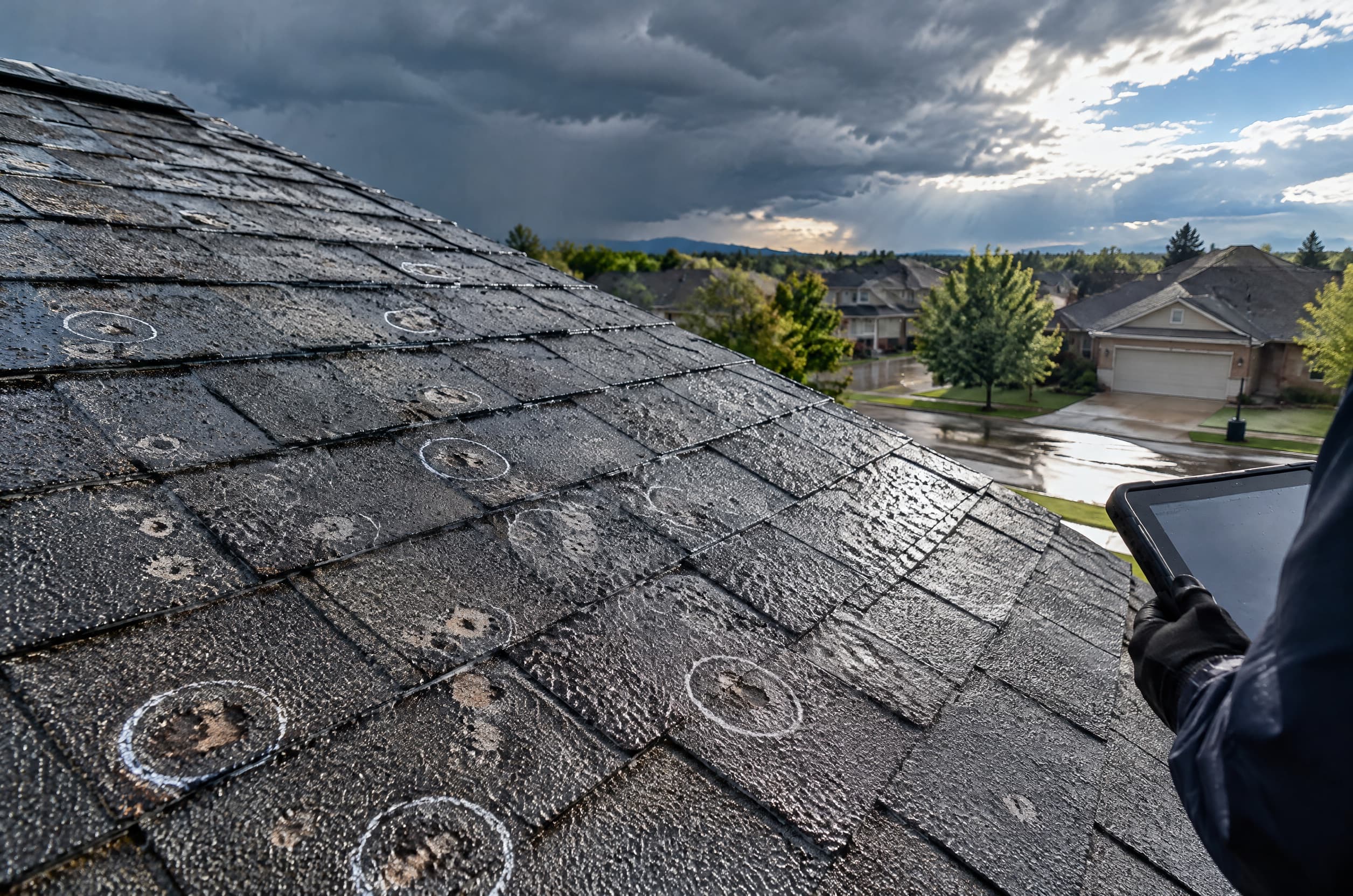
Close-up of hail-dented asphalt shingles on a residential roof

Homeowner storm and hail leads for roofing contractors

Storm leads and storm damage leads for roofers, only in the areas you serve

These are customer leads, not lead flashing: homeowners in ZIPs hit by hail or wind who asked a roofer to look at their roof. Inbound requests only, filtered to the areas you tell us you serve, sold to one roofing company.

  • Homeowner asked first
  • Sold to one roofer
  • 7-day credit window
  • Consent record per lead

The problem

Storm work pays. Storm leads come with baggage.

After a hail event, homeowners get door knocks, flyers and robocalls from companies they never asked for. That is the reputation every storm roofer inherits, and the reason buying storm leads deserves more questions than buying retail leads.

  1. 01

    The storm-chaser shadow

    Homeowners have heard about out-of-town crews who collect a deposit and leave. A lead that starts with a cold knock starts with suspicion. A lead that starts with the homeowner asking starts with a conversation.

  2. 02

    “Legit or scam?”

    Storm-lead vendors get searched alongside the word “scam”. If a seller can’t show you a consent record, a credit policy and where its traffic comes from, treat that as the answer.

  3. 03

    Compliance traps

    Several states restrict post-storm solicitation and deductible promises. Kentucky (KRS 367.379) and Florida (Fla. Stat. 489.147) are two examples. A lead bought from a seller that ignores these rules can become your problem.

  4. 04

    Lists dressed up as leads

    A “storm zone” list is every household inside a hail polygon, sold to every subscriber. Nobody on it asked for a roofer. Calling it is cold outreach with your name on it.

What you get

Storm requests, not storm-zone lists.

Every lead is a homeowner who filled in a request about roof damage after severe weather. We never contact homeowners cold after a storm. Which products and states are live is confirmed on your call.

Inbound after hail and wind

Homeowners in affected ZIPs who searched, found a form and asked for an inspection. No door knocking, no cold calls, no texts to purchased lists.

Only the areas you serve

You set ZIPs or counties. We deliver inside them and nowhere else, so you don’t drive two hours to a roof you can’t legally work on.

One roofer per lead

Each exclusive lead is sold to one roofing company. It is never resold, recycled or sold later as an aged lead.

Consent record attached

Every lead comes with a timestamped consent certificate. We send it to you on request.

Real-time delivery

Real-time delivery to your CRM, email or SMS, so your team calls while the homeowner is still by the phone.

Credits in writing

Credits for disconnected or wrong numbers, renters or non-owners, addresses outside your ZIPs, and duplicates of leads already sent to you. Window: 7 days.

Filters and sample lead

What you can filter, and what a lead looks like.

Filters are agreed before the first lead and written into your order. Availability of each filter is confirmed on your call. The lead card below is a sample, illustrative, with placeholder data.

Lead filters you control
FilterWhat you set
ZIP / countyOnly the areas you tell us you serve (and are licensed or registered in, where required).
Event windowRequests received within a set number of days after a reported hail or wind event in your area.
Damage reportedHail, wind, fallen limb or leak, as described by the homeowner.
Retail vs insurance flagWhether the homeowner says they plan to file a claim, already filed, or want a retail quote.
Roof ageSelf-reported roof age, so you can skip roofs replaced in the last few years.
Property typeSingle-family, townhome or small multifamily.
HomeownershipSelf-reported owner, then checked against property records.
Daily / weekly capA ceiling you set so storm volume doesn’t outrun your inspectors.
JD

Sample, illustrative storm lead

Delivered just now · Real-time

Exclusive
Name
J. Sample
Address
100 Example St, Sampleville TX 75000
Phone
(555) 010-0000 (validated)
Request
Roof inspection after hail
Event date (homeowner)
Sample date, 2 days before request
Damage noted
Dents on gutters, granules in downspout
Roof age
About 14 years
Insurance
Not filed yet, undecided
Owner
Yes (record match)
Consent
Timestamped certificate on file
Consent record attached · Timestamped
Call nowSend text
Illustrative example, not a real consumer record.
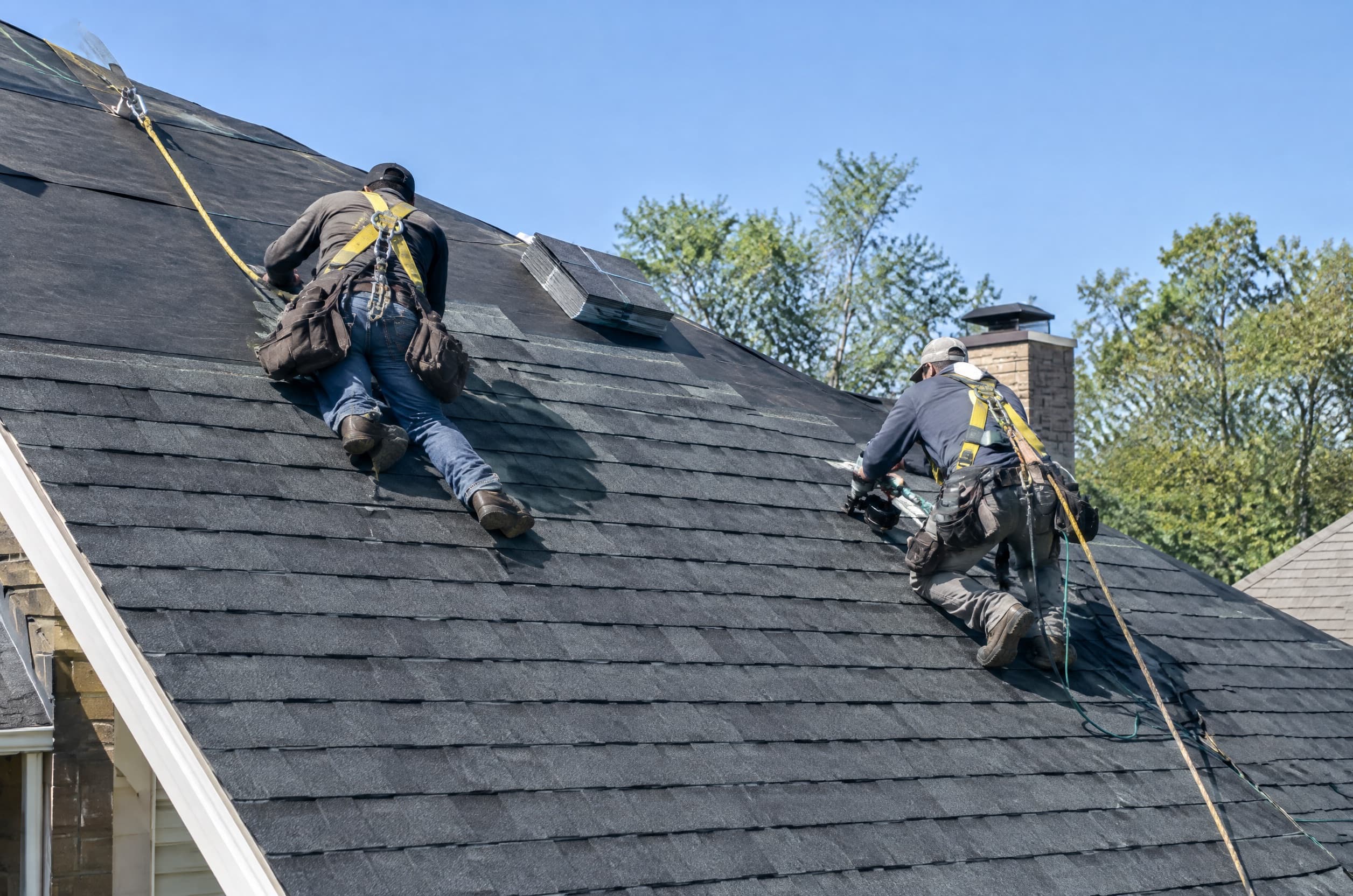
Roofing crew inspecting a residential roof after a storm

After an event

How volume changes after a storm, without cold outreach.

Requests rise when homeowners start looking at their roofs, which usually means the days after a hail or wind event, then taper. We don’t create that demand by knocking or calling. We make sure the homeowners who search in your ZIPs can ask for an inspection, and route those requests to you. How fast volume ramps in your counties, and whether caps exist per territory, is confirmed on your call.

  • Inbound requests only. Nobody is contacted who didn’t ask.
  • Your daily cap protects your schedule when requests spike.
  • Requests outside your ZIPs never reach you, and you aren’t billed for them.
  • No deductible, “free roof” or claim-handling language in the ads that generate your leads.
Book a call to check your ZIPs

How it works

Five steps from territory check to first storm lead.

  1. 1

    Book a call

    A 30-minute call to go over your counties, crew capacity, retail vs insurance mix and the filters you want.

  2. 2

    We check your license or registration

    Before the first lead, we confirm you can work in the areas you named. Where a state or city requires a license or registration, we ask for it.

  3. 3

    Set filters and a cap

    ZIPs or counties, event window, roof age, retail vs insurance flag and a daily ceiling. All in writing.

  4. 4

    Start with a test batch

    No long-term contracts. Start with a test batch, scale when the numbers work.

  5. 5

    Leads arrive in real time

    Each request goes to your CRM, email or SMS with its consent record. Report bad ones under the credit policy.

Compared

Storm leads vs storm-zone data lists.

CriteriaTypical storm-zone listBuy Roofing Leads storm leads
Who is on itEvery household inside a hail map polygonHomeowners who asked for an inspection
Who else gets itEvery subscriber who pulls the same areaOne roofing company
Consent to contactNone. You do the outreach.Timestamped consent certificate per lead
Compliance exposureCold calls, texts and knocks after a stormInbound only, no cold post-storm outreach
Roof ageYear built, if anythingHomeowner-reported roof age filter
ContractOften a 12-month subscriptionTest batch, no long-term contract
Bad recordsUsually only bounced or disconnectedWritten credit rules, 7 days window

Policies

Our lead terms, in writing before you buy.

These terms apply to every lead you buy from us, starting with your test batch.

Checked before every delivery

  • Phone number validated before delivery
  • Homeownership self-reported, then checked against property records
  • Duplicate-checked against leads already sent to you
  • Scrubbed against the National Do Not Call Registry

What exclusive means

Each exclusive lead is sold to one roofing company. It is never resold, recycled or sold later as an aged lead.

Bad-lead replacement · 7 days

Credits for disconnected or wrong numbers, renters or non-owners, addresses outside your ZIPs, and duplicates of leads already sent to you. Reply to the lead notification (or email us) with the reason; approved credits apply to your next batch.

Not covered: a homeowner who isn’t interested, doesn’t answer, has an insurance claim denied, or doesn’t buy.

Consent on every lead

Every lead comes with a timestamped consent certificate. We send it to you on request.

No long-term contract

No long-term contracts. Start with a test batch, scale when the numbers work.

Your territory

Territory availability is confirmed by ZIP code on your call.

Florida is gated

We don’t sell storm or insurance-claim leads in Florida until counsel confirms the program meets Fla. Stat. 489.147. Ask on your call for current status.

No deductible language

Ads behind our storm leads never offer to cover, waive or rebate a deductible, promise a “free roof”, or say we handle the claim.

Pricing

What drives the price of a storm lead.

Storm lead pricing moves with the territory, the time since the event, how tight your filters are and how many other requests are coming in. We quote on the call. See /pricing for price drivers, and run your own numbers in the cost per lead calculator.

Test batch

A small batch in your core ZIPs to measure contact, inspection and close rates.

Best for

Roofers new to bought storm leads

  • ZIP / county filter
  • Roof age filter
  • Consent record per lead
  • Written credit rules
Recommended

Storm season

Ongoing delivery with a daily cap, scaled up or down as events hit your counties.

Best for

Restoration companies with inspectors ready

  • Everything in Test batch
  • Event window filter
  • Retail vs insurance flag
  • Daily / weekly cap

Inspections booked

Confirmed inspection appointments on your calendar instead of raw leads, where available.

Best for

Teams short on setters

  • Confirmed appointment
  • Your filters
  • Written no-show policy
  • See Roofing Appointments

Prices and availability are confirmed on your call. Territory availability is confirmed by ZIP code on your call. Not covered: a homeowner who isn’t interested, doesn’t answer, has an insurance claim denied, or doesn’t buy.

FAQ

Questions owners ask before the first batch

If your question isn’t here, bring it to the call. We’ll go through your territory, filters and numbers.

Book a strategy call
How quickly can storm leads start after a hail event?

It depends on whether your territory is already set up. If your ZIPs, filters and cap are agreed before storm season, requests can route to you as homeowners start asking after an event. If you start from scratch after a storm, setup comes first: the call, a license or registration check and a test batch. Exact timing for your counties is confirmed on your call.

Do you contact homeowners after a storm?

No. We don’t knock doors, cold call, text or mail homeowners after a storm. Every storm lead is a homeowner who found a request form and asked for a roof inspection, with a timestamped consent record. Several states restrict post-storm solicitation, and cold outreach is how roofers get lumped in with storm chasers. Inbound requests avoid both problems.

What if the homeowner only wants a free insurance inspection?

Some will. The lead shows what the homeowner told us, including whether they plan to file a claim, so you know before you call. An inspection that finds no damage, or a claim the insurer denies, isn’t credited under our policy. A wrong number, a renter or an address outside your ZIPs is. The full credit rules are on the lead credit policy page.

Do your ads mention insurance deductibles?

No. The ads and forms behind our storm leads never offer to pay, waive or rebate a deductible, never promise a free roof, and never say we or you will handle the claim. Several states prohibit those inducements, and they attract the wrong homeowners anyway. If you want your own follow-up scripts reviewed against your state’s rules, ask your counsel.

Can I buy storm leads outside the area I’m licensed in?

No. We deliver storm leads only in the areas you tell us you serve, and before the first lead we check your license or registration where a state or city requires one. Selling you leads in a market you can’t legally work would put the homeowner and you at risk. If you plan to expand, get registered first, then add the ZIPs.

Do you sell storm leads in Florida?

Not yet. Florida’s Fla. Stat. 489.147 restricts how roofing contractors solicit and advertise for insurance-funded work, and we won’t sell storm or insurance-claim leads there until counsel signs off. Retail roof replacement leads in Florida may be available. Status is confirmed on your call. General information, not legal advice. Confirm with your counsel.

Book a 30-minute strategy call

Set up your storm territory before the next event.

Book a 30-minute call. We’ll check your ZIPs, your license or registration and your inspection capacity, then tell you plainly whether storm leads make sense for you.

Book a call to check your ZIPs

No obligation · No long-term contracts.

How storm leads work, and how to check them before you buy: full guide (8 sections)
  1. What is a storm lead?
  2. Why the inbound-only rule matters for storm work
  3. The filters that separate a useful storm lead from a wasted one
  4. How to verify a storm lead seller in one afternoon
  5. Where and when hail happens: the sourced context
  6. Retail and insurance storm jobs need different follow-up
  7. How storm leads fit with your other lead sources
  8. FAQ

This guide is about storm leads as a product a roofing company buys: homeowner requests for a roof inspection after hail or wind. It is not about lead metal or lead flashing. It covers what the term means, how it differs from the storm-zone data lists that get sold under the same name, which filters matter, how to check a seller in an afternoon, and the sourced hail numbers behind the season, as of October 2026.

What is a storm lead?

A storm lead is a homeowner in an area hit by hail or high wind who asked a roofing company to inspect their roof, and agreed to be contacted. The request, the homeowner's consent and the delivery to one roofer are what make it a lead. A name and address inside a storm polygon, with no request and no consent, is a data record, not a lead.

Definition. A storm lead (also "storm damage lead" or "hail lead") is an inbound inspection or repair request from a property owner in a weather-affected area, delivered to a roofing contractor with the owner's consent to be contacted.

Three terms get mixed up in this market:

TermWhat it usually isWho contacted whom
Storm lead (inbound)A homeowner request after severe weatherHomeowner asked
Storm-zone listEvery household inside a hail or wind map areaNobody yet. You do the outreach
Storm appointmentAn inspection booked on your calendar from a leadDepends on how the lead was generated

When a seller says "storm leads", ask which of these three you are buying.

Why the inbound-only rule matters for storm work

Inbound-only means nobody is contacted who didn't ask first. For storm work it matters more than for retail re-roofs, because post-storm solicitation is where state law and homeowner suspicion are strictest. A lead that started with a cold call or a door knock carries that history into your first conversation.

Two examples, as of October 2026:

  • Kentucky. KRS 367.379 restricts how roofing contractors solicit and advertise around storm damage, including promises to cover an insurance deductible.
  • Florida. Fla. Stat. 489.147 restricts roofing contractors' solicitation and inducements for insurance-funded work. We do not sell storm or insurance-claim leads in Florida until counsel signs off.

Other states and some cities have registration rules or storm-chaser ordinances. Rules change, so check your own states. General information, not legal advice. Confirm with your counsel.

The filters that separate a useful storm lead from a wasted one

The filters that matter most are territory, timing, roof age and the retail-versus-insurance flag. Territory keeps you inside areas you are licensed for. Timing tells you how fresh the damage report is. Roof age screens out roofs replaced recently. The insurance flag tells you which conversation you're walking into before you dial.

How each one helps on the call:

  • ZIP or county. Draw the line where your crews and your license reach. Leads 90 minutes out cost you more in drive time than they earn.
  • Event window. A request received a few days after a reported event is different from one received two months later. Ask the seller how they define the window and whether it is in writing.
  • Damage reported. Hail, wind, fallen limb or active leak. A leak is often a repair call first, which changes who you send.
  • Retail vs insurance flag. Whether the homeowner plans to file a claim, already filed, or wants a retail quote. This sets your script and your expectations on timeline.
  • Roof age. Owner reports of storm appointments on roofs one to three years old are common in roofing forums. A self-reported roof age filter is cheap insurance against that.
  • Daily cap. After a big event, requests can outrun your inspectors. A cap keeps you from paying for leads you can't reach in time.

How to verify a storm lead seller in one afternoon

You can check most storm lead sellers with five requests: a sample consent certificate, the written credit policy, a description of where their traffic comes from, a copy of an ad or form that generates the leads, and confirmation of who else receives each lead. A seller who can't produce these within a day is telling you something.

Walk through it in this order:

  1. Ask for a sample consent certificate. It should show a timestamp, the page the homeowner was on and the consent language they saw. Our consent and TCPA page shows what we send.
  2. Read the form and the ad. Look for deductible offers, "free roof" promises or "we handle your claim" language. If you see it, the homeowner was sold something you can't deliver, and in some states the ad itself is a problem.
  3. Ask how leads are generated. Search, social and directory forms are inbound. Call centers dialing storm-zone lists are not, however the output is labeled.
  4. Get exclusivity in writing. "Exclusive" should mean one roofing company per lead, never resold, never sold later as aged.
  5. Read the credit policy. Know what is credited (wrong numbers, renters, out-of-area addresses, duplicates) and what isn't (no answer, no damage found, denied claim). Ours is on the lead credit policy page.

Then run a small test batch and track contact rate, inspections set, inspections run and signed roofs. Cost per signed roof is the number that settles it. The cost per lead calculator helps you set the targets before you spend.

Where and when hail happens: the sourced context

Hail is concentrated in the Plains and Texas, and it is getting more expensive. Texas logged more major hail events than any other state in 2025, and wind and hail make up the largest share of homeowners insurance claims. These figures come from insurers and industry bodies, not from us, and they describe the market, not your results.

FigureSource and date
Texas logged 902 major (1 inch or larger) hail events in 2025, the most of any state, followed by Kansas (375), Oklahoma (369), Nebraska (315), Missouri (253) and Colorado (244).Triple-I citing NOAA Storm Prediction Center, 2026. Source
16 states had severe hail on more than 20% of roofs in 2025, up from 12 states in 2024.Verisk, May 2026. Source
Wind and hail were 42.5% of homeowners insurance claims in 2023.Triple-I citing ISO/Verisk, 2025-26. Source
State Farm paid $5.6 billion in hail claims in 2025, including $1.4 billion in Texas.Claims Journal, Apr 2026. Source
The average insured residential roof replacement was $17,631 in 2025 (insured claims, not retail prices).Verisk via Insurance Journal, Jun 2026. Source

Search interest follows the weather too. In our keyword research, "storm damage leads" searches run highest from September to November, and "storm leads" spiked in April 2026. That is why the time to set up a storm territory is before the season, not the morning after an event.

Retail and insurance storm jobs need different follow-up

A storm lead can turn into a retail job or an insurance-funded job, and the follow-up differs. Retail homeowners want a price and a date. Insurance homeowners want to know whether there's damage worth a claim and what happens next. Knowing which one you have before the first call is the reason the insurance flag exists.

Keep your own homeowner-facing language clean. Talk about what you found on the roof, what the repair or replacement involves and what it costs. Leave deductible promises, "free roof" offers and claim-handling claims out of every script and text. For more on working insurance-funded work, see the guide to roofing leads from insurance companies.

How storm leads fit with your other lead sources

Storm leads are a seasonal layer on top of steady retail work, not a replacement for it. Most roofing demand is re-roof and repair, and referrals stay the top source for most companies. Use storm leads to fill inspection capacity when events hit your counties, and keep roof replacement leads or booked roofing appointments running the rest of the year.

If you want to check whether your ZIPs have storm coverage, and what the filters and credits look like in writing, book a call.

FAQ

Is a storm lead the same as a hail lead?

Mostly. "Hail lead" is a storm lead where the homeowner reported hail damage. Storm leads also include wind, fallen limbs and leaks after severe weather. If hail is the only work you want, ask for the damage-reported filter and confirm in writing that wind-only requests won't be delivered.

Are storm-zone lists illegal to buy?

Buying a list is generally not the issue. What you do with it is. Calling, texting or knocking on homeowners who never asked can run into telemarketing rules and state post-storm solicitation laws. If you use lists, have counsel review your outreach. General information, not legal advice.